Credit: Mr.Mikla/Shutterstock
Key Takeaways
- Apple and Google are reportedly working together on a method to make switching between iPhone and Android easier.
- Details are slim, though Google has started to roll out some of its work to the latest build of Android Canary.
- These changes should make it easier to move from one platform to another, something that has traditionally been more difficult than it should be.
Table of Contents
When it's time to buy a new car, you don't necessarily need to stick with the one you had before. You don't lose your cloud-based photos by switching from Toyota to Subaru, nor will your friends yell at you for ruining the group chat by buying a Kia. That's not the case with smartphones: When you buy an iPhone, it's tough to switch away from it. The same goes for Android: While it's easy enough to switch within the Android ecosystem, such as between Pixel or Galaxy, moving from Android to iPhone can also be a pain. Tech companies tend to make it tempting to stick with their platform, and introduce friction when you try to leave.
That, of course, is entirely business-based. Apple hasn't traditionally made it easy to move to Android, because, well, you might actually do it. It doesn't have to be this way, either. There's nothing inherent to smartphones that should make it so challenging to break out of any particular ecosystem. All it takes is some intentional design: If smartphones were made to be traded, you could migrate from one to another, without worrying about losing pictures, messages, or any other important data or processes.
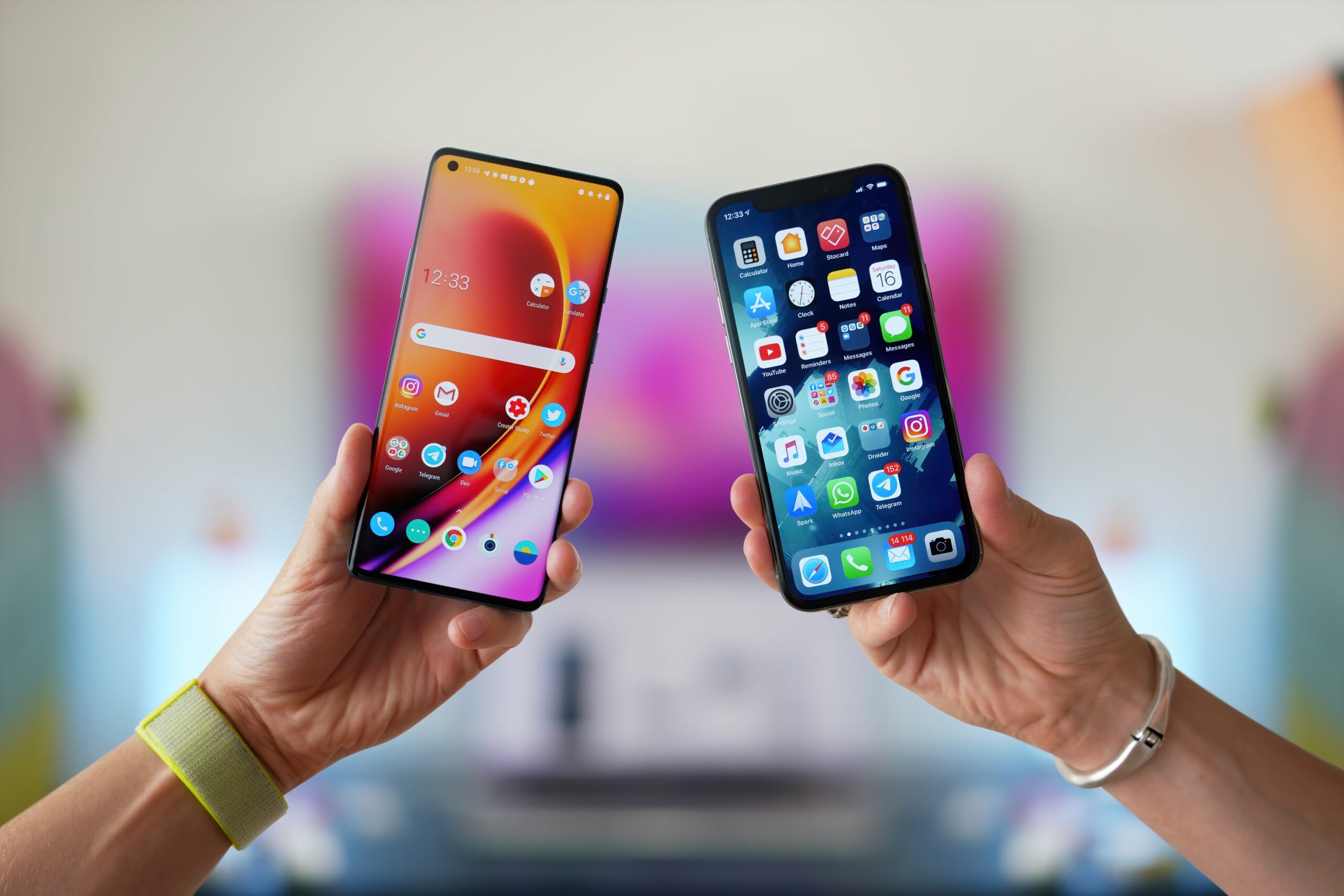
As it happens, that intentional design may be on the horizon. As reported by 9to5Google, Apple and Google are actually working together to make it easier to transfer data between iPhone and Androids, which would make switching between the two platforms more seamless. This isn't theoretical, either: Google has already released some of this progress as part of the latest Android Canary, the company's earliest pre-release software. All compatible Pixel devices can currently access this latest build, though it doesn't seem there are any user-facing features available to test. 9to5Google says that similar features will roll out to testers in a future iOS 26 beta. Perhaps at that time, Google will roll out its features to the Android beta as well, which has a much larger user base than Canary.
While details are slim here, any cooperation between Apple and Google on this front is huge. Current migration tools do exist, but they can be problematic. By actually working together on a native transfer solution, it might actually be seamless to move between platforms. Apple and Google might not be motivated by charity, of course, as the EU has been cracking down on restrictive practices by tech companies in recent years. But while both companies may see this as a way to lose customers, it's also a way to gain them: Sure, some iPhone users may switch to Android if it's easier to do so, but some Android users may do the reverse for the same reasons.
What do you think so far?
More choice is good for everyone—even if it doesn't guarantee exponential growth to shareholders.
The Download Newsletter
Never miss a tech story

Jake Peterson
Get the latest tech news, reviews, and advice from Jake and the team.
The Download Newsletter
Never miss a tech story. Get the latest tech news, reviews, and advice from Jake and the team.

Lifehacker has been a go-to source of tech help and life advice since 2005. Our mission is to offer reliable tech help and credible, practical, science-based life advice to help you live better.
© 2001-2025 Ziff Davis, LLC., A ZIFF DAVIS COMPANY. ALL RIGHTS RESERVED.
Lifehacker is a federally registered trademark of Ziff Davis and may not be used by third parties without explicit permission. The display of third-party trademarks and trade names on this site does not necessarily indicate
any affiliation or the
endorsement of Lifehacker. If you click an affiliate link and buy a product or service, we may be paid a fee by that merchant.